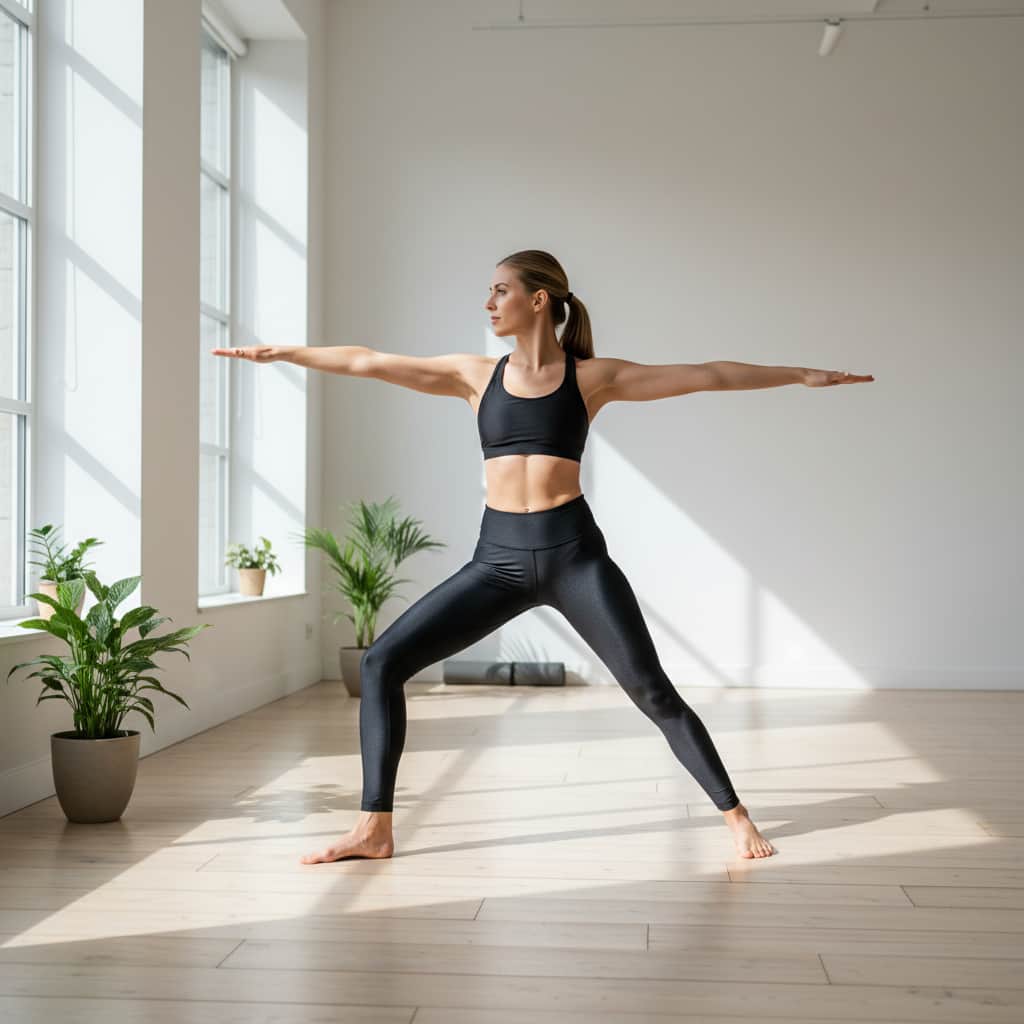
As the activewear market continues to expand, choosing the right fabric for yoga wear is a critical decision for brands aiming to deliver both performance and comfort. Among the myriad of synthetic fibers available, nylon and polyester remain the two most dominant choices in the industry. But when it comes to creating premium yoga apparel, which material truly performs better? Understanding the unique characteristics of nylon and polyester can help activewear brands make informed decisions that align with their target audience's expectations.
Nylon is widely celebrated in the activewear industry for its exceptionally soft hand-feel, often described as buttery or silk-like. This makes it an ideal choice for yoga pants and leggings where next-to-skin comfort is paramount. Furthermore, nylon offers superior stretch and recovery, ensuring that garments maintain their shape even after rigorous yoga sessions. Its excellent durability and resistance to abrasion mean that high-quality nylon yoga wear can withstand the test of time, providing excellent value for end consumers.
Polyester, on the other hand, is the workhorse of athletic apparel. It is inherently more hydrophobic than nylon, meaning it repels water and dries incredibly fast. This superior moisture-wicking capability makes polyester a fantastic option for hot yoga or high-intensity workouts where excessive sweating is expected. Additionally, polyester is highly resistant to shrinking, wrinkling, and fading. It also takes dye exceptionally well, allowing brands to create vibrant, long-lasting prints and colors that resist bleeding during washes.
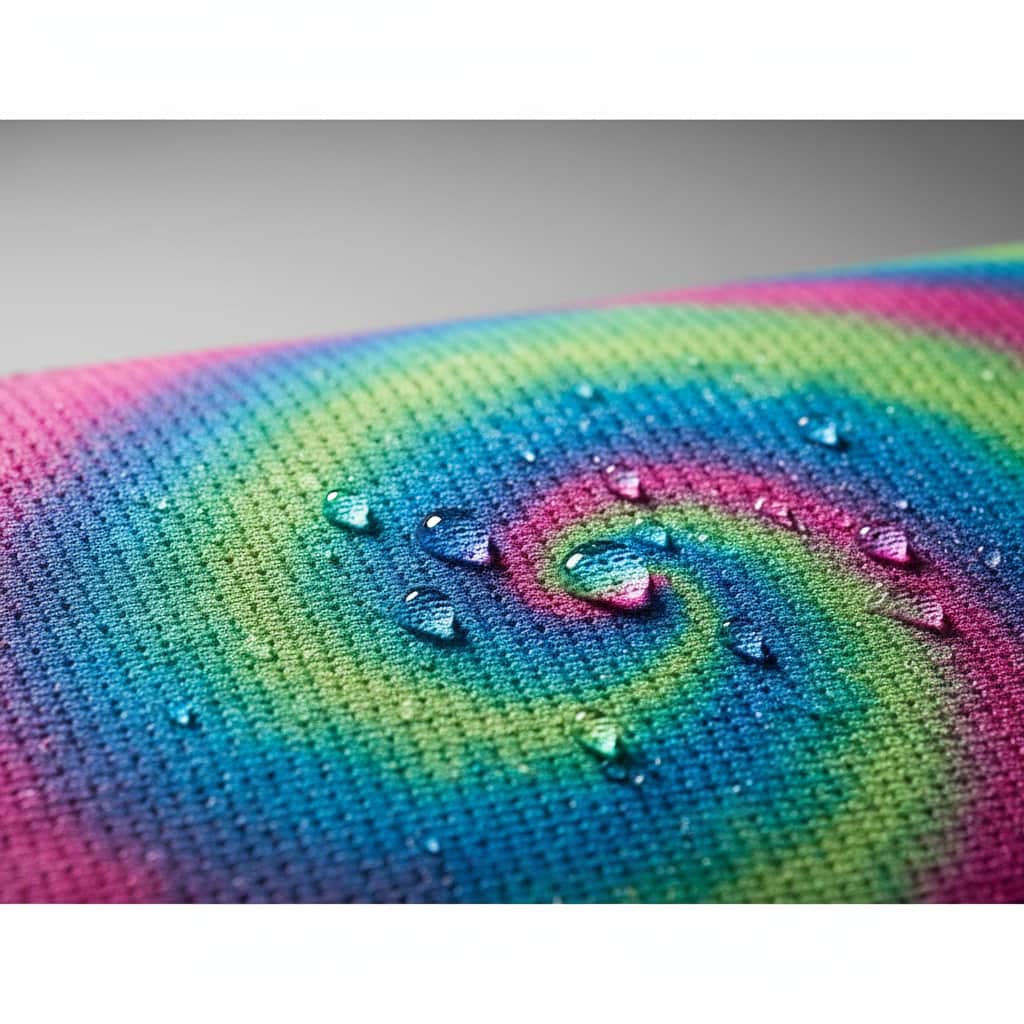
When comparing breathability, both fabrics perform well when engineered correctly. However, nylon typically feels cooler to the touch, offering a slight edge in temperature regulation during low-impact practices. Advanced manufacturing techniques now allow both nylon and polyester to be woven with specialized moisture-wicking properties, narrowing the performance gap. The choice often comes down to the specific type of yoga the apparel is designed for.
From a manufacturing perspective, polyester is generally more cost-effective to produce than nylon. For brands looking to scale their collections while maintaining a competitive price point, polyester offers an attractive balance of performance and affordability. However, for premium or luxury yoga wear lines, the luxurious feel of nylon often justifies the higher production cost, appealing to a demographic willing to invest in superior comfort.
Ultimately, the decision between nylon and polyester depends on your brand's positioning and the specific needs of your customers. If your focus is on ultimate softness, luxurious stretch, and premium positioning, nylon is the clear winner. Conversely, if your priority is creating highly durable, vibrant, and quick-drying apparel for intense workouts at a more accessible price point, polyester is the way to go. Many successful brands even utilize blends of both, harnessing the strengths of each fiber to create the perfect yoga garment.
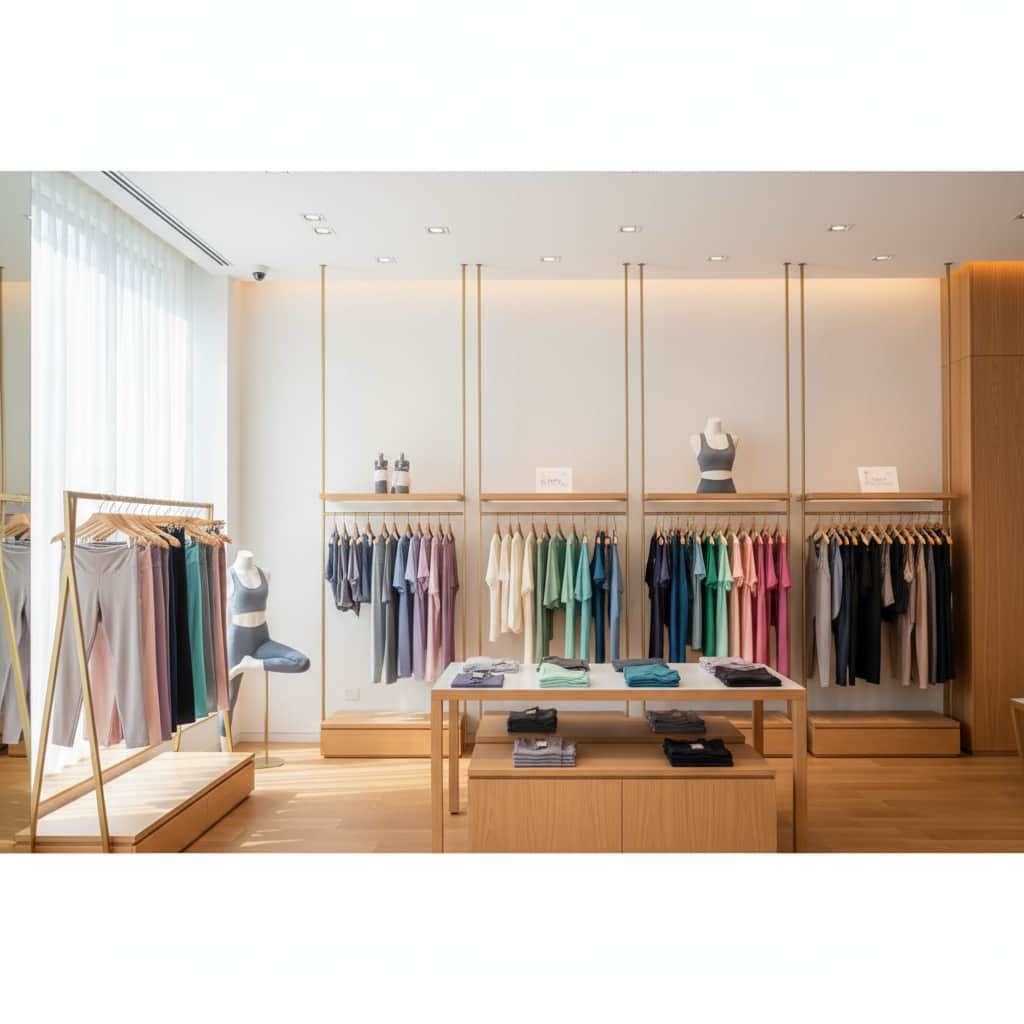
Choosing the perfect fabric is just the first step in creating a successful activewear line. Whether you are leaning towards the luxurious feel of nylon or the durable performance of polyester, partnering with a reliable manufacturer is crucial. We specialize in premium yoga wear customization, offering comprehensive OEM and ODM services tailored to your brand's unique vision. From fabric sourcing and innovative design to precision manufacturing and brand cooperation, our team is dedicated to bringing your activewear concepts to life. Contact us today to discuss your customized yoga apparel and equipment needs, and discover how our manufacturing expertise can help your brand stand out in a competitive market.
1. Can nylon and polyester be blended together for yoga wear? Yes, blending nylon and polyester is a common practice in the activewear industry. This combination allows brands to leverage the exceptional softness and stretch of nylon alongside the superior moisture-wicking and color-retention properties of polyester, creating a versatile and high-performing fabric.
2. Which fabric is better for hot yoga, nylon or polyester? For hot yoga, polyester is generally the preferred choice. Its highly hydrophobic nature ensures that it wicks sweat away from the body rapidly and dries much faster than nylon, keeping the wearer more comfortable during intensely sweaty sessions.
3. Does nylon pill more easily than polyester in yoga pants? Historically, nylon has been more prone to pilling than polyester due to its softer fibers. However, modern manufacturing techniques and high-quality fabric treatments have significantly reduced pilling in premium nylon yoga wear, making it highly durable when sourced from reputable manufacturers.
Written by
Zenlume Studio
Ready to bring your
yoga brand to life?